
Data Center Lawsuit Attorneys Serving North Carolina
Find out if your concerns about a harmful data center development could justify a legal review.
Let Miller Law Group Help!
If you have a legal matter you would like to discuss with a Miller Law Group attorney, please complete and submit the form below. We will get back to you shortly.
Can I Sue a Data Center?
Residents of Cherokee County, NC, and beyond may pursue data center lawsuits if they experience disruption, pollution, loss in property value, and other harms. If a proposed, under-construction, or operating an artificial intelligence, crypto-mining, or data-processing facility is causing you or your loved ones a direct disruption or credible pollution concern, or raising questions about zoning and approvals, our attorneys are here to help.
Which Data Center Concern Matches Your Situation?
Your legal options depend on the type of harm, the project stage, who is affected, and what evidence exists.
- For operating facilities: Nuisance claims, mitigation, or compensation may be a relevant legal
- For proposed facilities: Zoning, permitting, environmental review, or local government challenges may be most important.
- For property diminution: Documentation and expert analysis may be needed before pursuing
- If multiple residents are affected: A class action lawsuit or coordinated legal strategy may be worth evaluating if compensation or relief is in order.
Use this guide as a starting point for deciding whether to contact a data center attorney.
| Concern | Request a free case evaluation if | What to have ready |
|---|---|---|
| Noise pollution | You hear constant humming, vibration, buzzing, fan noise, or generator noise that affects sleep, daily routines, or use of your property. | Dates, times, videos, noise logs, or decibel readings if available. |
| Air quality concerns | You notice diesel smells, fumes, dust, recurring generator exhaust, or breathing-related concerns near the facility. | Photos, videos, odor notes, medical notes if relevant, or permit records. |
| Property value loss or reduced enjoyment | You believe the data center has made your home harder to enjoy, use, sell, or value fairly. | Property records, appraisals, listing history, realtor feedback, or examples of lost use. |
| Construction disruption | Construction has caused road damage, dust, blasting, bright lights, heavy traffic, or other repeated disruptions. | Photos, videos, dates, construction notices, or reports to local officials. |
| Utility or infrastructure concerns | You are worried about rising utility burdens, grid strain, road wear, water systems, or costs being shifted to residents. | Utility bills, public notices, meeting records, or local government documents. |
| Zoning or approval concerns | You believe the project was approved without proper notice, public input, review, or compliance with local rules. | Public notices, meeting agendas, minutes, recordings, emails, or zoning documents. |
A lawsuit is not always the right first step. In some situations, the better path may be a permit challenge, local hearing strategy, negotiated mitigation, ordinance enforcement, or environmental review. An attorney can help determine which route makes sense based on the timing and evidence.
Factors Data Center Attorneys Evaluate
When a facility operation, approval, construction, or expansion becomes more than a worry, residents often want to know whether the issue is legally actionable. Typically, a legal review becomes important when an AI or data center facility begins to affect someone’s home, health, finances, or community.
When Noises, Humming, or Vibrations Are More Than an Annoyance
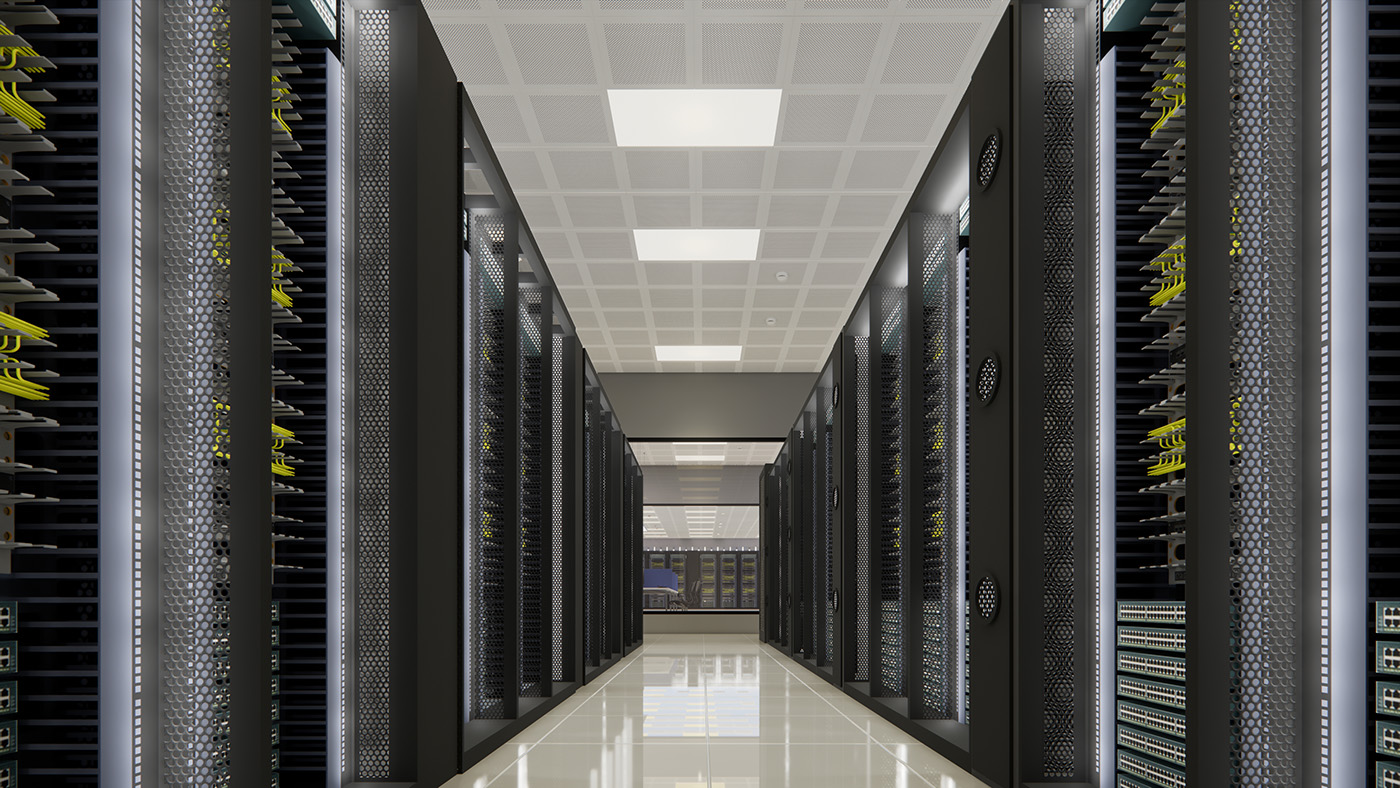
Data facilities are mission-critical, meaning they are continuously operational and typically require fans, HVAC systems, transformers, and backup generators. This equipment can introduce noise pollution that can become legally significant when it is constant, low-frequency, or part of a recurring operational pattern.
Noise pollution can impact the daily lives and physical wellbeing of those living in the vicinity, causing poor sleep, headaches, stress, and other effects. Frequent noise at night, endless humming, recurring vibrations inside a home may support a close review of nuisance, ordinance, permit, or mitigation options.
Significant Pollution and Air Quality Complaints
Diesel odors, visible emissions, dust, recurring exhaust, or fumes may raise more than comfort concerns. These observations can point to possible permit compliance issues, equipment problems, operational practices, or environmental review questions.
Residents who notice air quality concerns should document what they see, smell, and experience. These observations, permit logs, and reports to local officials may help a data center attorney identify whether legal action, enforcement, or further investigation is the next step.
When Utility Demands Become a Community Concern
Large data centers require significant electricity, backup generation, and infrastructure. Residents may worry about local costs, public subsidies, and whether the burden of upgrades will be shifted to the surrounding community.
These concerns may require reviewing utility filings, public meeting records, approval documents, development agreements, or infrastructure plans. The legal path will typically depend on whether the issue involves private harm, public cost, regulatory compliance, or local government decision-making.
Our Attorneys’ Practice Areas
When Water, Cooling, and Wastewater Introduce Statutory Issues
Some data centers can require substantial cooling systems, water access, wastewater handling, and treatment needs. These may cause concerns for rural residents, where infrastructure, such as wells, stormwater systems, and regional water tables, may not be designed to handle these demands.
Cooling and waste complaints shift the dispute from local property laws that handle nuisance complaints into complex state and federal regulations. Residents will likely need legal help to investigate permits, environmental records, engineering plans, utility documents, and public agency decisions to determine compliance and a potential legal avenue.
When Property Impacts Become Measurable Harm
Some residents may experience reduced enjoyment of their home, loss of outdoor use, constant noise, light disruption, buyer hesitation, stigma, or a decrease in property value. Farmers and ranchers may also raise issues due to a data center’s damage to the environment, including the water quality and noise levels, which makes it uninhabitable for livestock or other agricultural endeavors.
Documentation is key to making property damages meaningful and measurable. Records such as appraisals, listing history, realtor feedback, comparable sales, and written descriptions of the lost use can help show how a data center impacted a resident’s property. Production drops, behavior changes, and lower yields can help substantiate herd or crop health changes.
When Timing Matters: Zoning, Permitting, and Approval Deadlines
Residents should act quickly when a data center is still proposed, awaiting approval, or expanding. Some zoning, permitting, land use, and administrative challenges have strict deadlines and appeal windows.
Legal review during the proposal, hearing, permitting, or expansion stage may help preserve challenges, identify notice problems, or push for mitigation before harm becomes permanent.
Why Cherokee County Residents Are Concerned About Data Centers
Cherokee County residents are already familiar with the disruption large-scale technology facilities can bring. After years of concern over cryptocurrency mines near Murphy, local attention has shifted toward AI-related data center development, including a facility in Marble.
Residents have raised questions about noise, heavy equipment, water use, electricity demand, diesel generators, wastewater needs, and the strain these projects may place on rural infrastructure. In a county with limited land-use restrictions, many residents are concerned that industrial-scale facilities can move into rural or residential areas before the community fully understands the impact.
Types of Data Center Lawsuits in North Carolina
The type of lawsuit depends on a case’s facts and circumstances, such as reduced property use, unreasonable noise, environmental pollution, or regulatory violations. The key to a claim is to demonstrate a measurable personal or financial loss, or a legally questionable approval process.
Potential legal claims or strategies may include:
- Private nuisance
- Public nuisance
- Negligence
- Trespass, if applicable
- Environmental claims, if supported by the facts
- Ordinance or permit violations
- Zoning, land use, or administrative challenges
Construction Problems vs. Long-Term Operation Problems
Construction-related disruption and long-term operational harm are not always handled in the same way. The right legal strategy may depend on whether the harm is temporary, recurring, preventable, permit-related, or expected to continue indefinitely.
How to Stop, Limit, or Challenge a Data Center Project
Residents often ask how to stop a data center from being built or expanded. The legal answer depends heavily on timing. A proposed project, active construction site, operating facility, and expansion request may each create different options.
Stopping a Data Center Proposal
May require attending public hearings to challenge zoning decisions, oppose permits, and push for local regulations or environmental reviews.
Highlighting compliance issues and concerns before the project becomes operational can help push for local regulations or modifications to better the community.
Halting Data Center Construction
Residents may need to document building or permitting concerns, work-hour violations, or repeated disruptions.
Data center legal issues during construction may involve contractors, developers, and local authorities, so a thorough review is necessary to help establish what is happening and whether the activity violates applicable rules.
Stopping an Operating Mission-Critical Facility
An operational facility may shift citizens to choose to take legal action with nuisance claims, mitigation, operational limits, noise reduction, compliance enforcement, or a data center lawsuit for compensation.
Residents should document ongoing impacts, including financial challenges, noise patterns, generator testing, vibration, odors, emissions, sleep disruption, property-use limitations, and communications with the facility or local government to help gather information necessary to highlight compliance issues and stop the operation.
If the Data Facility Is Expanding
An expansion or shift in business model may create a renewed opportunity to evaluate permits, environmental impact, utility demand, increased noise, additional generators, water use, or local approval issues.
Even if residents missed earlier opportunities to object, an expansion may involve new hearings, applications, permits, studies, or public records that can be reviewed.
When Should You Contact a Data Center Attorney?
Speak with an attorney soon about stopping or challenging the operation because objection periods and appeals may be limited. If impacts like noise pollution, environmental damage, property diminution, or air quality are consistent and measurable, it may be best to contact an experienced law firm.
A lawsuit may not be the right fit for concerns that are purely speculative, without a local connection, or lacking a measurable disruption. Residents may still benefit from monitoring public meetings, saving notices, attending hearings, and preserving records to protect their right to a data center lawsuit later if the conditions support it.
How Miller Law Group Helps Residents Challenge Harmful Data Centers
Miller Law Group understands legal issues caused by data centers, and which concerns may support legal action, regulatory challenges, mitigation, compensation, or another strategy.
Our attorneys can review the facts, investigate harm, evaluate claims, analyze permits and zoning records, work with experts, identify responsible parties, preserve evidence, explain available options, and pursue appropriate remedies.
Hear from a North Carolina personal injury law firm about their team’s commitment to their clients.
About Miller Law Group
With over 150 years of combined experience, our award-winning attorneys have a proven track record of tackling medical malpractice cases throughout North Carolina. Our firm is not just about work; we have a deep love of our community, and invest time and resources in serving and uplifting Raleigh. At Miller Law Group, our aim is to provide exceptional service and to partner with our clients in navigating their legal journeys.
Begin Your Legal Path to Stop Data Center Harm
If you live near a proposed, expanding, under-construction, or operating data center in Cherokee County or elsewhere in North Carolina, Miller Law Group can review your situation and explain your legal options.
Get a Free Case Evaluation
You do not have to determine on your own whether the issue is a lawsuit, zoning challenge, environmental concern, or compensation claim. We’re here to help! Contact our team for a free evaluation.