
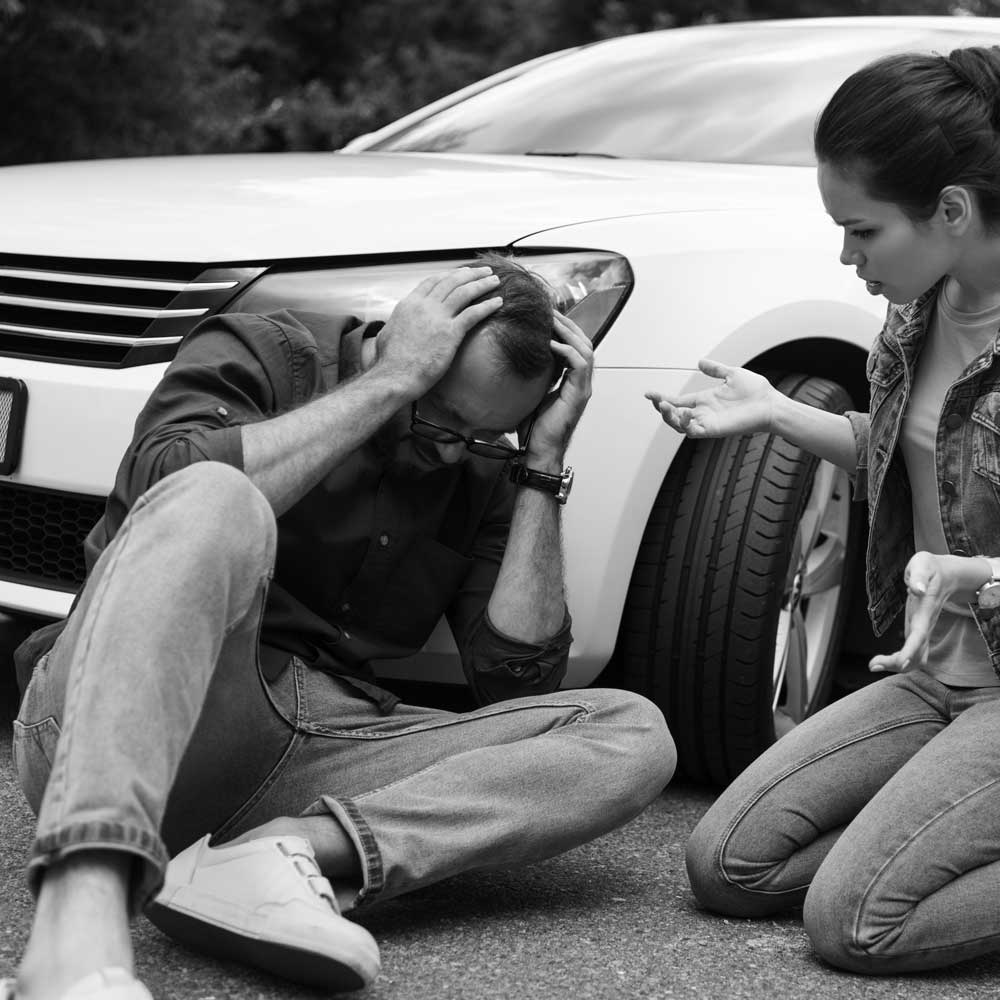
Why Parking Lot Pedestrian Accidents are Legally Complex
At first glance, parking lots might seem like low-risk zones, but parking lot pedestrian accidents can lead to surprisingly complex legal situations. Whether it’s unclear right-of-way markings, private property rules, or shared liability, these cases often require legal guidance to resolve. If you’ve been hit by a car in a parking lot, here’s what you need to know about your rights, the responsibilities of others, and the legal steps to take.
Why Parking Lot Pedestrian Accidents Deserve Legal Attention
Parking lots blur the lines between public and private spaces, which can make determining fault more complicated, especially when a car hits a pedestrian. In North Carolina, parking lots at businesses, schools, and hospitals are often considered public vehicular areas, meaning state motor vehicle laws still apply. That includes rules about speeding, reckless driving, and DUI enforcement. Pedestrians generally have the right-of-way in marked walkways, but they also have a responsibility to stay alert and avoid stepping into traffic. Ignoring posted signs, by drivers or pedestrians, can still result in civil liability.
Because liability hinges on both legal and situational factors, it’s critical to speak with an experienced pedestrian accident attorney who can offer legal help and guide you through the claims process.
Common Causes of Parking Lot Accidents
Parking lots are often chaotic environments where both drivers and pedestrians must navigate tight spaces, unclear signage, and constant movement. Many pedestrian accidents are the result of negligence, which is a failure by someone to act with reasonable care.
To make this easier to understand at a glance, here’s a breakdown of common causes and how negligence may appear:
| Cause | Driver Negligence | Pedestrian Negligence |
| Distracted behavior | On the phone, eating, adjusting controls while driving | Looking at phone, wearing earbuds, not watching for vehicles |
| Poor visibility | Failing to check blind spots or drive cautiously in dim or obstructed areas | Walking through poorly lit areas without awareness of traffic |
| Weather conditions | Not adjusting speed for wet, icy, or slick surfaces | Slipping or failing to adjust movement for conditions |
| Aggressive behavior | Speeding for a space, ignoring crosswalks, cutting off pedestrians | Darting between cars, crossing outside of walkways |
| Ignoring signs/markings | Disobeying stop signs, directional arrows, or pedestrian zones | Assuming a car will stop even when it’s not required |
Common Parking Lot Pedestrian Injuries
Even at low speeds, a vehicle can cause serious injuries. Pedestrians have no protection, which often results in physical and emotional trauma that requires medical attention and extended recovery.
- Soft tissue injuries. Sprains, strains, and deep bruising can be painful and persistent. Soft-tissue injuries can cause long-lasting pain and limited mobility, especially in older adults.
- Broken bones and fractures. Ankles, wrists, hips, and ribs are especially vulnerable when someone is knocked down or run over.
- Head injuries. A direct hit or fall to the pavement may cause a concussion or a more serious traumatic brain injury (TBI), often with delayed symptoms.
- Psychological trauma. Many victims experience anxiety, PTSD, or a fear of walking near traffic again—serious injuries that are often overlooked.
Who’s at Fault? Understanding Liability in Parking Lot Accidents
Determining liability in a parking lot pedestrian accident is rarely simple. In North Carolina, it’s especially complex because of the state’s contributory negligence rule—where an injured person may be barred from compensation if they are even 1% at fault. That makes evidence and strategy crucial.
Key factors in assigning liability in a parking lot pedestrian accident include:
- Right of way. Pedestrians usually have the right-of-way near entrances and in marked crosswalks. But they must still use reasonable care.
- Evidence. Skid marks, vehicle damage, and layout of the scene can show if a driver was speeding or failed to stop.
- Witnesses. Eyewitness accounts or security footage can support claims about who was where and what happened.
- Police reports. When available, these may include citations and initial observations that help clarify fault.
Once all evidence is gathered, attorneys can build a clear picture of what happened and protect the pedestrian from being unfairly blamed.
Can a Business Be Liable for a Pedestrian Injury?
Yes, depending on the circumstances. In North Carolina, a property owner, business operator, or landlord may be liable if they fail to maintain a reasonably safe environment. This responsibility is known as a duty of care.
For example, if a lot has poor lighting, faded crosswalks, or a dangerous layout, the business may be at fault for allowing unsafe conditions to persist. Proving liability often involves gathering records, analyzing maintenance practices, and showing how those failures contributed to the accident.
A skilled pedestrian accident attorney can investigate the scene, determine who is responsible, and build a case to hold them accountable.
What if Both the Driver and Property Owner Share Fault?
In some cases, both the driver and the property owner share responsibility. A distracted driver may have caused the impact, but a poorly designed or maintained lot may have made the accident more likely. In these situations, liability can be divided.
Still, North Carolina’s contributory negligence law means the pedestrian must be completely free of fault to recover damages. This makes it critical to work with an attorney who can build a detailed, evidence-backed case.
Insurance Coverage and Legal Challenges
Parking lot accidents involving pedestrians often involve more than one insurance policy. While a driver’s auto insurance typically applies, the fact that the accident occurred on private property may also trigger business or premises liability coverage held by the business or property owner. Each insurer may try to deflect responsibility, or argue that their policy doesn’t apply, especially under North Carolina’s strict fault laws.
Victims filling out an auto insurance claim often face delays, low settlement offers, or denials without clear guidance. A skilled Raleigh North Carolina pedestrian accident lawyer can evaluate all potential insurance sources and fight to secure the full compensation you deserve.
Next Steps: What to Do After a Parking Lot Pedestrian Accident
What you do after a parking lot accident matters. The right actions can help protect your health, preserve evidence, and strengthen your legal claim.
- Get medical help – Even if injuries seem minor, document them right away.
- Call the police – A report adds credibility and documents to the incident.
- Document the scene – Take photos, gather witness names, note visibility conditions.
- Notify the business or property owner – File an incident report if possible.
- Don’t speak to insurers – Not before consulting a pedestrian accident attorney for legal help.
If you’ve been hurt in a parking lot pedestrian accident, don’t assume it’s a simple claim. Between unclear laws, complex insurance coverage, and the risk of being unfairly blamed, these cases deserve experienced legal attention.
At Miller Law Group, we know how to hold negligent drivers and businesses accountable, and we’re ready to fight for the justice you deserve. Contact us today to speak with a trusted Raleigh North Carolina pedestrian accident lawyer for a free consultation.